Starting a new website project is exciting. It can also feel overwhelming if you are not sure what your web designer needs from you. Giving your designer the right information up front will save time, reduce revisions, and help ensure the end result is exactly what you want.
Here is a clear guide on what to prepare before your web design process begins.
1. Your Goals and Purpose
Before anything else, you need to explain why you want a website. Is the goal to sell products, generate leads, share your writing, or promote a service? Designers tailor layouts, style, and functionality based on your goals.
Ask yourself:
- What action do you want visitors to take?
- Who is your ideal audience?
- What problems should the site solve for visitors?
Being clear on purpose gives your designer direction from day one.
2. Examples of Websites You Like
One of the most helpful things you can provide is a list of websites you admire. Not just general categories but specific pages that show:
- Layout you prefer
- Colors or fonts you like
- Features that stand out
These examples show your taste and help your designer create something you will love.
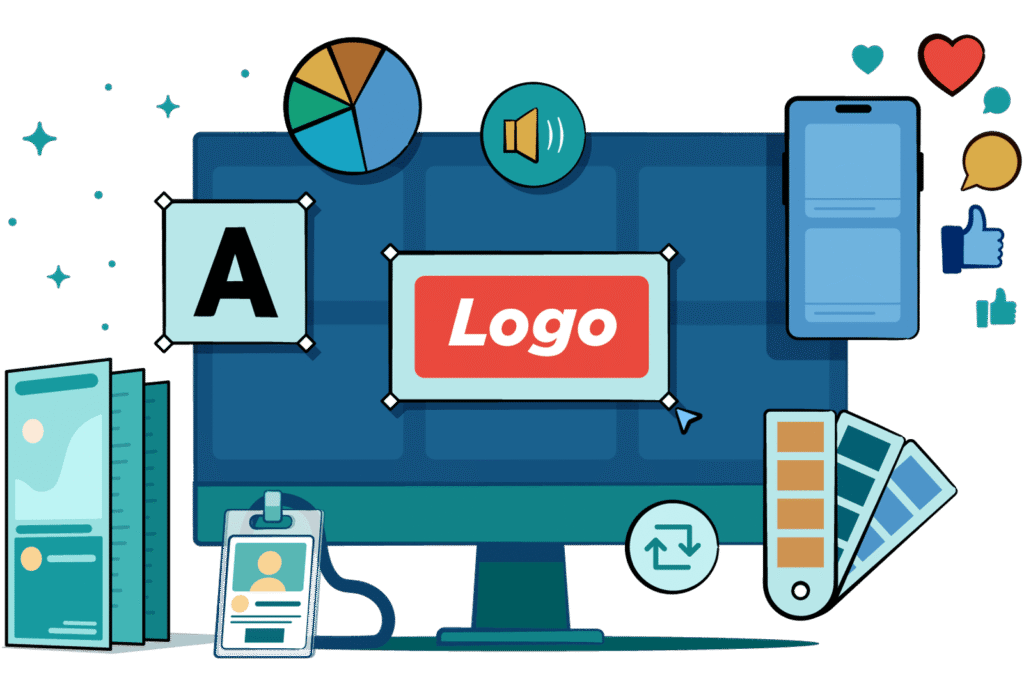
3. Brand Logo, Colors, and Style Guide
Your designer needs access to brand assets:
- High resolution logo files
- Color codes (HEX, RGB)
- Fonts you use for print or online
If you do not have a style guide, provide as much as you can and explain your preferences. Consistency in branding leads to a stronger, more cohesive website.
4. Content for Your Website
Content is key. Before your site is built, your designer will need text for:
- Homepage headline and subheadlines
- About page
- Product or service descriptions
- Contact information
- Any legal pages
You do not need perfect content right away, but having drafts ready makes the build process smoother.
5. Images and Media
Your web designer will ask for images to use on the website. Provide:
- High quality photos
- Logos or icons
- Videos you want included
If you need help sourcing images, ask your designer for guidance.
6. Functionality Requirements
Different types of websites require different features. Make sure your designer knows what you want from the start:
- Online store checkout and product pages
- Booking or appointment scheduling
- Contact forms
- Email list signup
- Custom layouts for blog posts
Clear feature requests help your designer plan the site structure and choose the right tools.
7. Platform and Maintenance Expectations
Talk with your designer about the platform they will use. Will your site be built on WordPress, Shopify, or another system? Also discuss who will handle updates and maintenance after launch.
Knowing this early prevents surprises later.
8. Target Launch Date
Setting a deadline helps your designer plan tasks, revisions, and deliverables. Be realistic and allow time for feedback and testing.
Your Website Options
Here are some types of websites your designer can build for you:
- Full custom web design and strategy for any business or personal brand: https://deepthreedesign.com/website-design/
- Websites for authors focused on showcasing books and building audiences: https://deepthreedesign.com/author-websites/
- Websites for realtors designed to highlight listings and generate leads: https://deepthreedesign.com/realtor-websites/
- Websites for e-commerce with shop layouts and checkout systems: https://deepthreedesign.com/e-commerce-websites/
You can also start with the main page to explore all services and learn more about the design team: https://deepthreedesign.com/
Final Tips
Good communication is the foundation of a successful web design project. The more information you provide up front, the better your designer can meet your expectations.
If you are unsure about something, ask. Your designer is there to help you achieve your vision.
Start strong and your new website will follow.